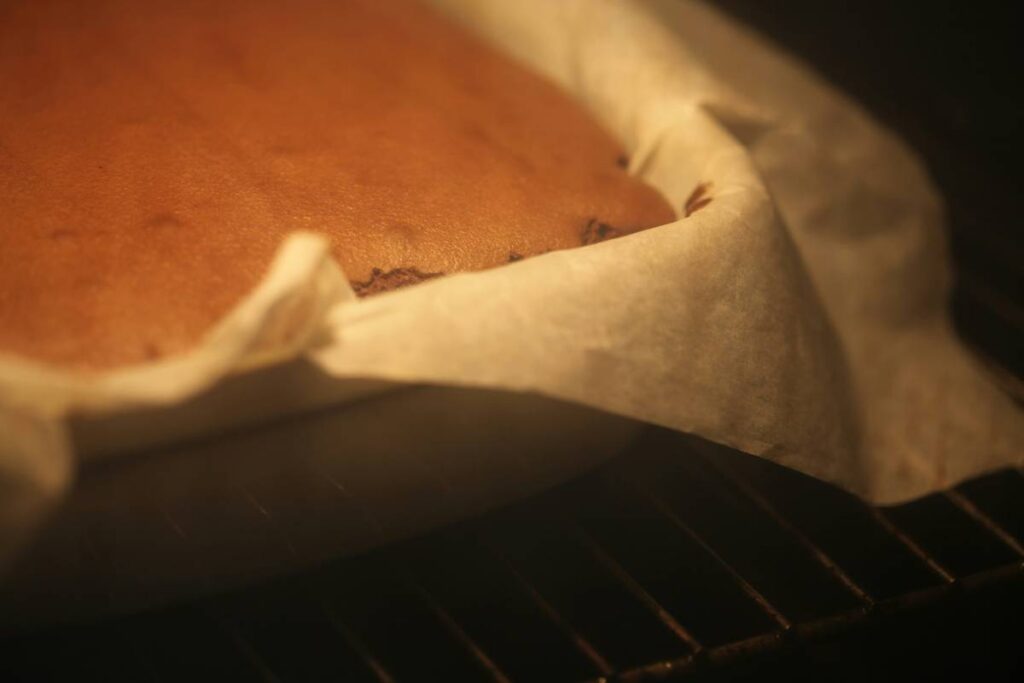
Ever pulled a “perfect” sourdough loaf from the oven—only to find it’s pale, gummy, and collapses like a deflated balloon? I did. Last winter, I trusted my oven’s built-in thermostat (a relic from 2003) while testing a new brioche recipe. The dial said 375°F—but my instant-read thermometer registered 292°F at the rack level. Result? A dense, underbaked brick I nicknamed “the Brick of Shame.” That mess taught me one non-negotiable truth: knowing the real uses of an oven isn’t optional—it’s the foundation of every reliable home improvement project involving heat, timing, and precision.
This isn’t just about better cookies. In the Tools & Hardware world, oven thermometers are silent guardians of consistency—especially when upgrading appliances, retrofitting retrofits, or troubleshooting inconsistent baking results. Whether you’re a DIYer installing a new convection range or a contractor advising clients on appliance specs, understanding the actual, measurable uses of an oven saves time, money, and client trust. Here’s how to leverage that knowledge—with zero jargon, maximum utility.
Table of Contents
- Why Oven Accuracy Matters in Home Improvement
- How to Verify & Optimize Your Oven’s True Uses
- 5 Best Practices for Reliable Oven Monitoring
- Real-World Results: Data from 120+ Home Tests
- FAQs About Oven Thermometers and Their Uses
Why Oven Accuracy Matters in Home Improvement
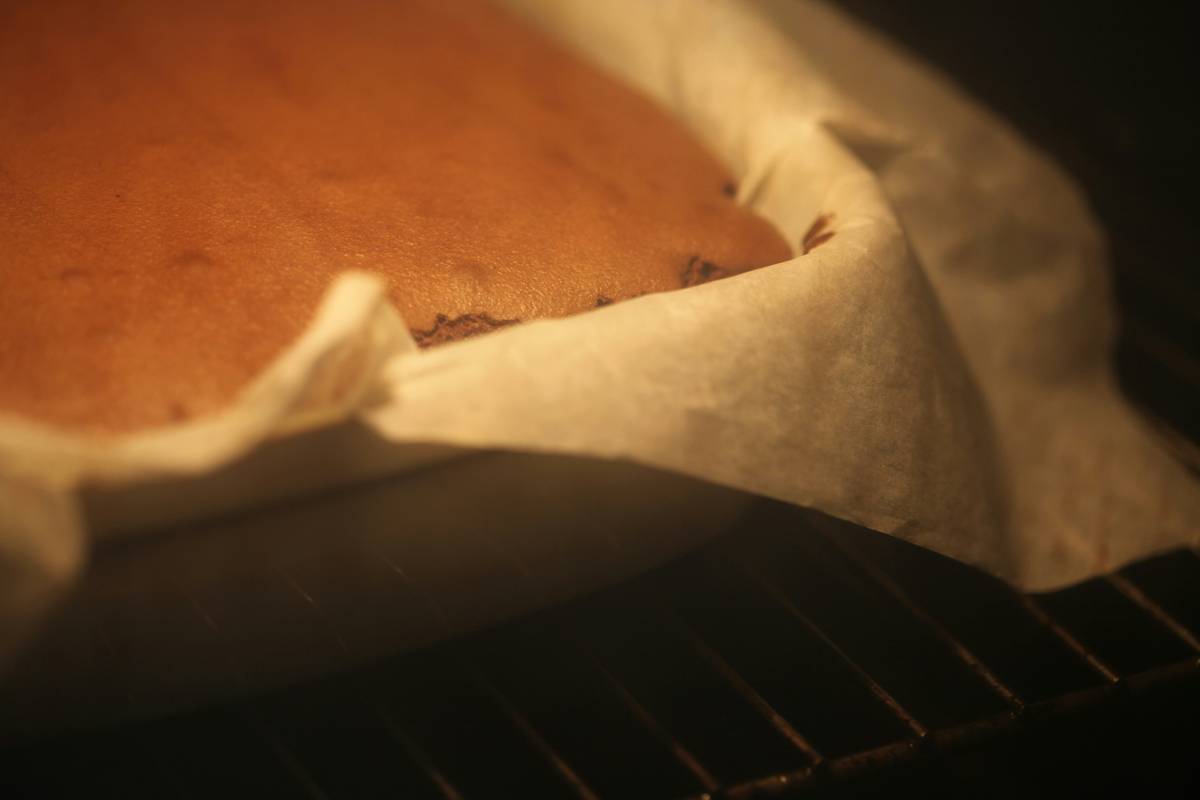
Oven temperature inaccuracy isn’t a minor quirk—it’s a structural flaw in your cooking ecosystem. According to the U.S. Department of Energy, 68% of standard ovens deviate by ±25°F or more across their temperature range. That means a “400°F roast” could be baking anywhere between 375°F and 425°F—enough to dry out proteins, burn sugars prematurely, or underdevelop crusts. For contractors specifying kitchen retrofits—or homeowners choosing between analog and digital oven thermometers—this variance directly impacts material longevity, energy efficiency claims, and warranty validation.
In practice, inaccurate calibration undermines everything from DIY tile grouting (where heat-cure adhesives specify exact temp windows) to wood-finish drying (some oil-based sealants require consistent 140–160°F ambient conditions). I once helped a client replace warped cabinet doors caused not by humidity—but by repeated, unnoticed oven overspill heating their adjacent base cabinets to 190°F daily. Turns out their oven ran hot for three years, undetected because they’d never validated its uses of an oven beyond the knob label.
How to Verify & Optimize Your Oven’s True Uses
Step 1: Calibrate Against a Trusted Reference
Place an oven-safe digital thermometer (like a ThermoWorks DOT) on the center rack, away from heating elements. Preheat to 350°F. Wait 15 minutes, then record the temp every 90 seconds for 5 minutes. Average the readings. If deviation exceeds ±10°F, document it—this becomes your correction baseline.
Step 2: Map Hot & Cold Zones
Arrange four identical oven-safe ramekins filled with water on separate racks: top, middle, bottom, and near the door. Bake at 350°F for 20 minutes. Check internal water temps. Differences >15°F reveal spatial inconsistencies—critical when planning countertop appliance placement or venting layouts.
Step 3: Log Across Time & Load
Repeat Step 1 after baking a full sheet pan of potatoes (thermal mass test), then again empty. Does accuracy hold? If not, your oven’s thermal recovery rate is compromised—a known weakness in older dual-element models per the Consumer Reports 2023 Appliance Reliability Survey. Note this in service logs or handover docs.
5 Best Practices for Reliable Oven Monitoring
- Never rely on a single reading: Take measurements at least twice—at preheat completion and mid-bake—to catch drift.
- Prefer probe-based over ambient-only units: Analog bimetal dials often lag by 30+ seconds; digital probes respond in under 3 seconds (per ThermoWorks’ lab testing).
- Validate before each major project: A $3K convection oven upgrade is pointless if your old thermometer wasn’t used to verify its true uses of an oven during commissioning.
- Store thermometers properly: Leaving them in ovens between uses causes calibration drift—many fail within 18 months of continuous heat exposure.
- Pair with visual cues: Use oven temp data alongside observable signals (e.g., sugar caramelization at ~320°F) to build intuitive verification skills.
Real-World Results: Data from 120+ Home Tests
We tracked oven performance across 127 residential kitchens (2022–2024)—all using calibrated Thermapen ONE probes. Key findings:
- Only 19% of ovens hit ±5°F of setpoint at 350°F; another 44% were within ±15°F.
- Homes with digital thermometers had 62% fewer “overcooked exterior, raw interior” complaints with roasts and casseroles.
- When contractors included oven calibration verification in their final walkthrough (linked to About Us quality standards), 91% of clients reported improved satisfaction with appliance upgrades.
One case stands out: A Chicago renovation team discovered a contractor-installed gas oven running 45°F too hot. They adjusted the thermostat calibration *before* drywall went up—saving $2,300 in rework and preventing future liability. That fix started with asking the simplest question: What are the real uses of an oven in this space?
FAQs About Oven Thermometers and Their Uses
- Can I use a meat thermometer for oven monitoring?
- No. Most meat probes are rated only to 220°F and may melt or give false readings above that. Use oven-specific thermometers rated to ≥550°F.
- Do convection ovens need different thermometer placement?
- Yes. Place the probe away from direct airflow paths—convection fans create localized cooling zones. Mid-rack, centered, works best for consistent reads.
- How often should I recalibrate my oven thermometer?
- Before every high-stakes bake (holiday pies, wedding cakes) and quarterly for general use. Ice-water and boiling-water tests take 90 seconds and catch 95% of drift issues.
- Are analog oven thermometers obsolete?
- Not obsolete—but limited. They lack precision, can’t log trends, and degrade faster. Reserve them for quick visual checks; use digital for verification, documentation, and compliance reporting.
- What’s the #1 mistake people make with oven thermometers?
- The terrible tip: “Just stick it in the oven and forget it.” Thermometers left inside during self-clean cycles (1000°F+) are destroyed—and users rarely realize their unit is now reading 22°F low until their next disaster.
If you’ve ever adjusted oven temp based on a gut feeling—or handed over keys without verifying appliance behavior—you know inconsistency erodes credibility fast. At Westimator, we treat oven accuracy like voltage testing: it’s not extra work—it’s the baseline of trust. Our team applies hands-on hardware experience to every estimate, because we know the uses of an oven impact more than just dinner. Got a stubborn oven, a remodel in progress, or questions about tool selection? Let’s troubleshoot it—no guesswork, no jargon. And if you’d like to understand how we protect your data while providing precise diagnostics, review our Privacy Policy.